
 schedule a brainstorm session
Why Modern Executives Need Empathy
Leadership has evolved beyond delivering profits and managing processes—it’s about building meaningful connections with people. Executives who prioritize emotional intelligence (EI), particularly empathy, are better equipped to lead with impact. Empathy isn’t just a soft skill; it’s a critical leadership tool that fosters trust, collaboration, and innovation.

Why Empathy Matters for Modern Leaders
Empathy plays a central role in leadership by enabling executives to:
- Build Stronger Teams: Empathetic leaders understand the diverse needs of their teams, fostering collaboration and trust.
- Navigate Complex Challenges: Leaders who listen and adapt are better at addressing conflicts and driving change.
- Drive Innovation: Empathy fuels creativity by creating environments where everyone feels valued and heard.
- Retain Top Talent: Employees are more likely to stay engaged when their leaders demonstrate care and understanding.
Real-World Examples of Empathy in Leadership
1. Rosalind Brewer, CEO of Walgreens Boots Alliance
Rosalind Brewer has consistently championed equity and inclusion throughout her career. At Walgreens, she has implemented initiatives to improve healthcare access in underserved communities while fostering a culture of belonging within the company. Her empathetic leadership is reflected in her commitment to addressing both employee and customer needs.
2. Mary Barra, CEO of General Motors
Mary Barra’s leadership during the COVID-19 pandemic showcased her empathy and adaptability. By prioritizing employee safety, introducing flexible work policies, and swiftly pivoting GM’s manufacturing to produce ventilators, she demonstrated how empathy drives both innovation and resilience.
3. Thasunda Brown Duckett, CEO of TIAA
Thasunda Brown Duckett’s empathetic leadership focuses on closing wealth gaps and empowering communities. Her commitment to financial literacy and inclusion stems from a deep understanding of the systemic barriers many face. Within TIAA, she fosters a workplace culture where employees feel valued and supported.

Actionable Strategies for Cultivating Emotional Intelligence
1. Listen Actively and Authentically
- Schedule regular one-on-one check-ins with team members to understand their challenges and goals.
- Practice active listening by focusing on what’s being said without interrupting or multitasking.
- Use phrases like, “I hear you,” or, “Can you tell me more about that?” to validate team members’ feelings and perspectives.
2. Lead by Example
- Share your own experiences and challenges to create a culture of openness.
- Admit mistakes and show vulnerability, reinforcing that growth is a shared journey.
- Recognize team successes publicly and address failures with constructive solutions.
3. Create Inclusive Spaces
- Encourage diverse viewpoints in decision-making processes.
- Provide opportunities for employees from underrepresented groups to take on leadership roles.
- Facilitate workshops on unconscious bias and inclusive communication.
4. Invest in Employee Well-Being
- Offer mental health resources, such as counseling or wellness programs.
- Implement flexible work arrangements to support work-life balance.
- Regularly check in with teams to assess workload and stress levels.
5. Seek Feedback and Grow
- Use anonymous surveys or third-party consultants to gather honest feedback.
- Reflect on feedback to identify areas for improvement.
- Work with an executive coach or mentor to enhance your emotional intelligence.
Empathy in Action: Leadership Success Stories
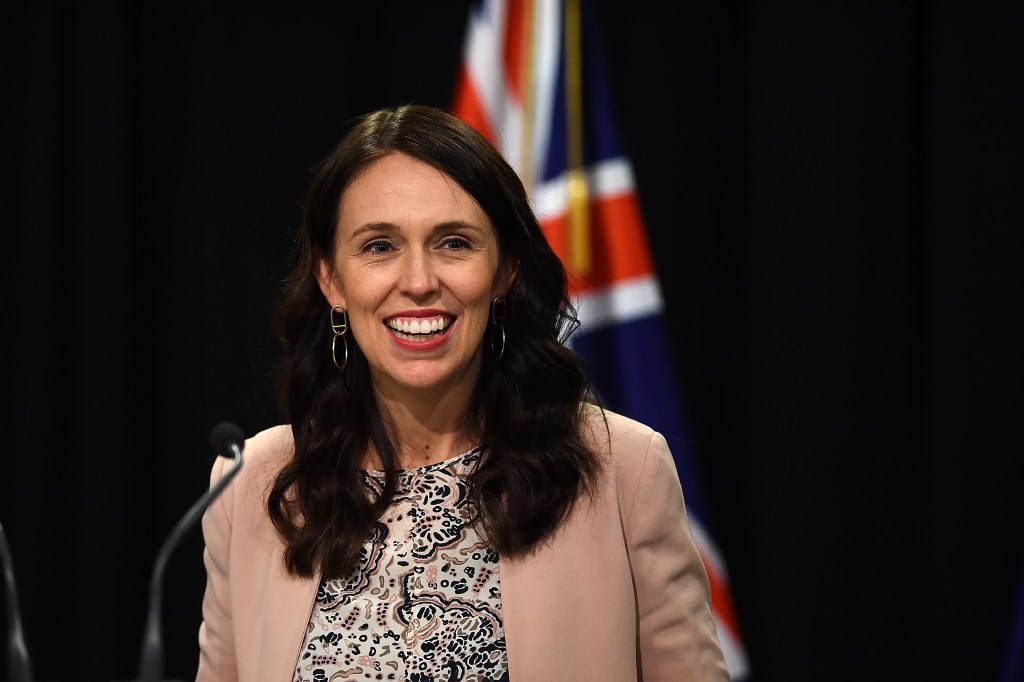
Jacinda Ardern, Former Prime Minister of New Zealand
During her tenure, Jacinda Ardern exemplified empathetic leadership. Her response to the Christchurch mosque attacks—personally meeting victims’ families, wearing a hijab in solidarity, and leading swift legislative change—set a global example of compassionate governance. Her ability to connect deeply with people strengthened trust and unity.
Adena Friedman, CEO of Nasdaq
Adena Friedman has focused on creating a supportive and inclusive workplace at Nasdaq. By implementing initiatives that prioritize employee wellness and fostering open communication, she has reinforced the company’s culture of empathy and innovation.
Mellody Hobson, Co-CEO of Ariel Investments
Mellody Hobson advocates for “being color brave,” encouraging open conversations about race and equity in the workplace. Her leadership combines financial acumen with a deep commitment to fostering diversity and inclusion within her organization and beyond.
Why Empathy Is a Leadership Imperative Today
The modern workplace faces unprecedented challenges, from navigating remote work dynamics to meeting rising expectations for diversity and inclusion. Empathy equips leaders to:
- Adapt to Change: Compassionate leaders can guide teams through uncertainty with clarity and care.
- Foster Resilience: Empathy strengthens connections, helping teams overcome obstacles together.
- Inspire Loyalty: Employees stay engaged when they feel valued and understood.
Empathy isn’t just a leadership skill; it’s the foundation of impactful, transformative leadership. By cultivating emotional intelligence, executives can foster trust, inspire innovation, and build inclusive workplaces where everyone thrives.
At Kindall Evolve, we specialize in helping leaders harness the power of emotional intelligence to drive organizational success. Let us partner with you to create a culture of empathy and excellence.