
 schedule a brainstorm session
From Conflict to Collaboration: Turning Team Friction Into Growth Opportunities
Conflict is an inevitable part of teamwork. When people with diverse perspectives, backgrounds, and working styles come together, disagreements are bound to happen. However, instead of seeing conflict as a barrier, what if we reframed it as an opportunity for growth and collaboration? With the right strategies, team friction can become the catalyst for stronger bonds, better communication, and innovative solutions.
In this blog, we’ll explore actionable strategies for addressing conflict productively and fostering an environment where teams can thrive despite their differences.

The Benefits of Addressing Conflict Head-On
Avoiding conflict might seem like the easiest route, but unresolved tension often leads to decreased morale, lower productivity, and fractured relationships. On the other hand, addressing conflict directly can:
- Build Trust: Open communication during disagreements helps establish trust among team members.
- Encourage Innovation: Diverse perspectives, when navigated respectfully, often lead to creative solutions.
- Strengthen Team Bonds: Overcoming challenges together fosters resilience and camaraderie.
Conflict, when managed well, becomes an opportunity to deepen understanding and improve collaboration.
Strategies for Turning Conflict Into Collaboration
- Create a Culture of Psychological Safety Psychological safety—the belief that team members can speak openly without fear of judgment or retaliation—is the foundation for productive conflict resolution. To foster this culture:
- Encourage open dialogue and active listening.
- Normalize constructive feedback as part of the team’s workflow.
- Address microaggressions or dismissive behavior promptly to maintain trust.
- Practice Constructive Dialogue Principles Constructive dialogue fosters a culture where differing viewpoints are explored with curiosity rather than defensiveness. Encourage teams to:
- Approach conversations with an open mind and assume positive intent.
- Paraphrase and summarize others’ points to confirm understanding.
- Ask clarifying questions rather than making assumptions.
- Express disagreements respectfully and focus on solutions.
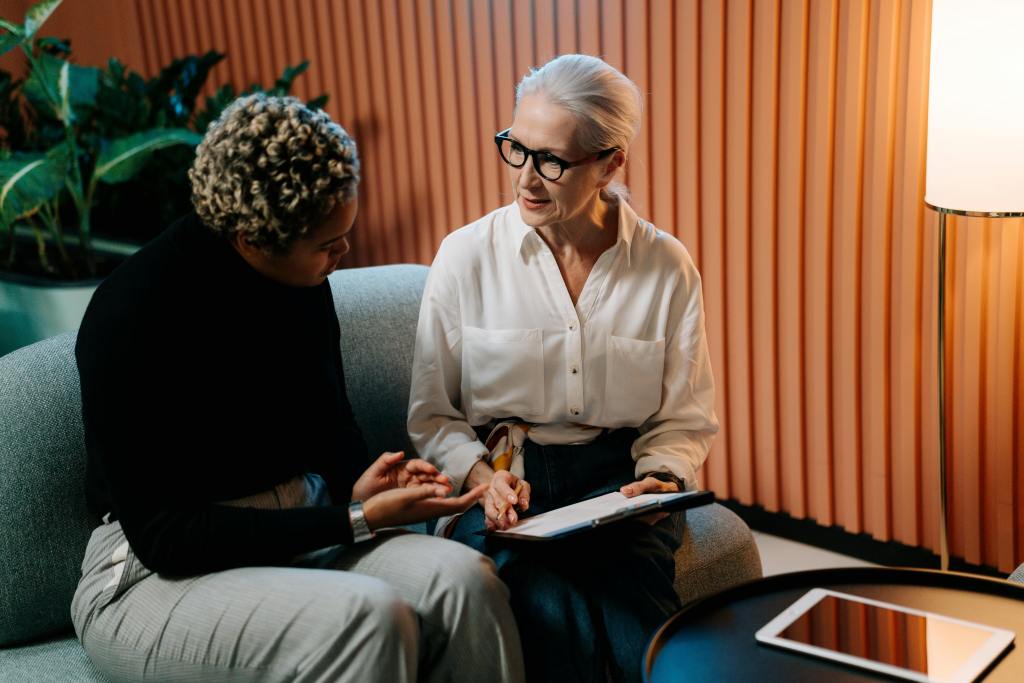
3. Focus on Interests, Not Positions When conflicts arise, it’s easy to focus on opposing positions (“I want this” vs. “You want that”). Instead, dig deeper to understand the underlying interests behind each perspective. For example:
- Position: “We need to launch this project by Friday.”
- Interest: “I’m concerned about meeting client expectations and maintaining credibility.”
4. By uncovering shared interests, teams can find mutually beneficial solutions.
5. Use Conflict as a Learning Opportunity Conflicts often reveal gaps in communication, processes, or understanding. Reflect on disagreements to identify areas for improvement:
- Were expectations unclear?
- Were roles and responsibilities misunderstood?
- Did differing communication styles contribute to the friction?
6. Addressing these root causes helps prevent similar conflicts in the future.
7. Implement Structured Conflict Resolution Processes Establishing clear processes for handling conflict ensures disagreements don’t spiral into unproductive arguments. Consider:
- Conflict Mediation: Appoint a neutral third party to facilitate discussions.
- Team Agreements: Develop shared guidelines for communication and problem-solving.
- Check-Ins: Schedule regular team check-ins to address simmering tensions before they escalate.
8. Strengthen Emotional Intelligence (EI) Emotional intelligence—the ability to understand and manage one’s emotions while empathizing with others—is critical for resolving conflict. To enhance EI in your team:
- Provide training on self-awareness and empathy.
- Encourage team members to pause and reflect before reacting.
- Model emotionally intelligent behavior as a leader.
Real-Life Example: Turning Friction Into a Breakthrough
Consider a scenario where two team members disagree on the direction of a project. Initially, the conversation becomes heated, with both parties defending their positions. However, by implementing the strategies outlined above, the team can transform this conflict into an opportunity:
- Psychological Safety: The team leader steps in to ensure both individuals feel heard and respected.
- Constructive Dialogue: Each person paraphrases the other’s perspective to confirm understanding before responding.
- Focus on Interests: The underlying concerns of each party are explored, revealing a shared goal of delivering the best possible outcome for the client.
- Structured Resolution: A facilitated discussion helps identify a compromise that incorporates elements of both perspectives.
The result? A stronger project plan and improved collaboration moving forward.

Why Conflict Management Matters More Than Ever
In today’s fast-paced, high-stakes work environments, avoiding conflict is no longer an option. Remote work, diverse teams, and constant change mean misunderstandings are more likely. Teams that proactively address conflict and embrace constructive dialogue are better equipped to adapt, innovate, and thrive in these challenging conditions.
Conflict isn’t the enemy of teamwork; it’s a natural part of collaboration. When approached with empathy, structure, and a growth mindset, disagreements can strengthen teams rather than divide them.
At Kindall Evolve, we have extensive experience in helping organizations transform conflict into opportunities for growth. Let’s work together to build resilient teams that embrace challenges and emerge stronger.