
 schedule a brainstorm session
The History and Significance of Equal Pay Day: A Call for Wage Equity
Understanding Equal Pay Day
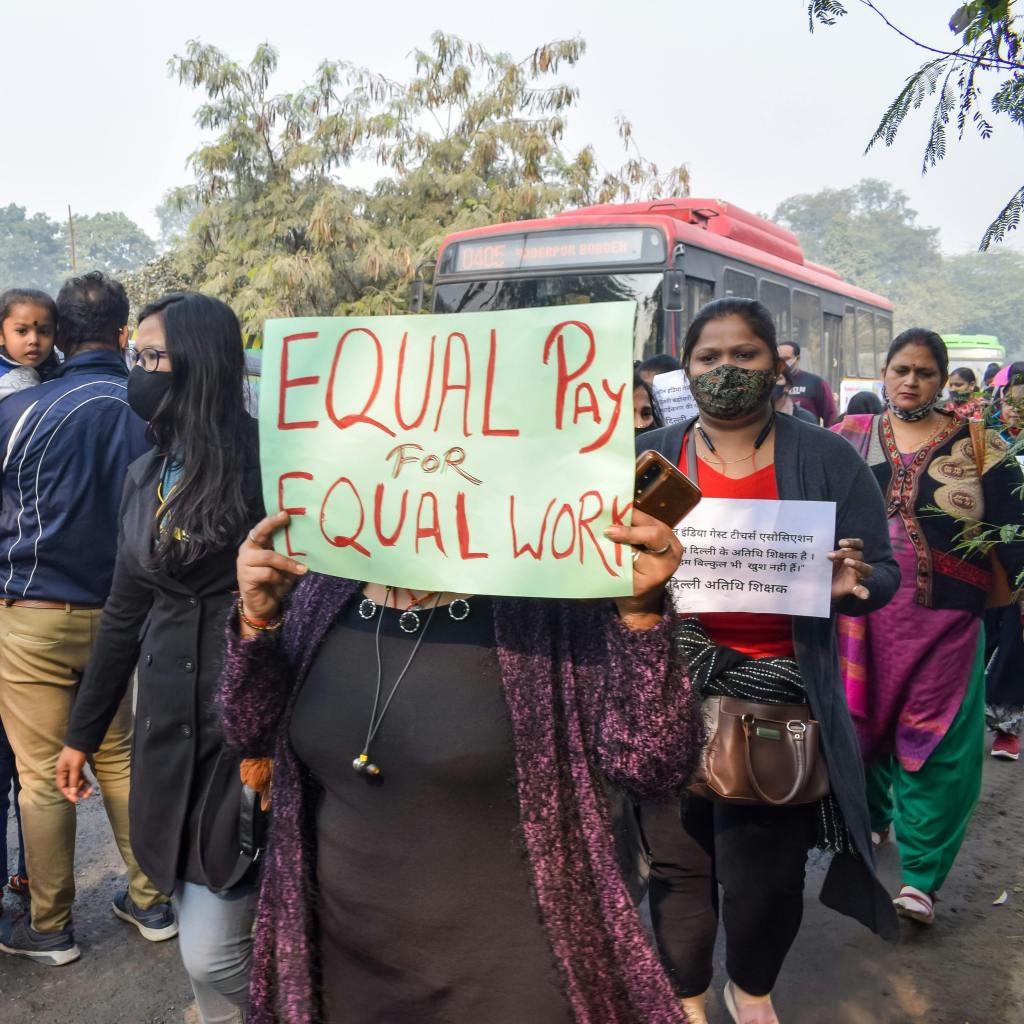
Equal Pay Day is more than just a symbolic date on the calendar—it serves as a powerful reminder of the persistent wage gap that continues to disadvantage women, particularly those from marginalized communities. Established by the National Committee on Pay Equity (NCPE) in 1996, Equal Pay Day marks the day in the current year that women must work to earn the same amount that men earned in the previous year. This gap reflects systemic inequities deeply ingrained in labor markets worldwide.
A Historical Perspective on Wage Disparities
The roots of the gender pay gap can be traced back to the early industrial era. Throughout the 20th century, movements advocating for women’s rights and economic equity gained momentum, leading to legislative milestones like the Equal Pay Act of 1963. However, despite decades of progress, full wage parity remains elusive. Today, women in the U.S. earn approximately 82 cents for every dollar earned by men, with even wider gaps for women of color and women with disabilities.
Intersectionality and the Wage Gap
The wage gap is not a monolithic issue—it varies significantly based on race, ethnicity, and disability status. Examining pay disparities through an intersectional lens reveals troubling trends:
- Race and Ethnicity: While White women earn about 82 cents to the dollar compared to White men, Black women earn only 64 cents, Native American women earn 60 cents, and Latina women earn just 57 cents. These disparities are influenced by systemic barriers to education, career advancement, and access to high-paying industries.
- Disability: Women with disabilities face even greater wage discrimination. According to the U.S. Department of Labor, disabled women earn significantly less than their non-disabled peers, often due to biases in hiring, workplace accommodations, and job retention.
Case Studies Highlighting Wage Inequality
To put these statistics into context, several real-world cases illustrate the depth of wage discrimination:
Lilly Ledbetter: A former Goodyear employee who discovered decades of pay discrimination too late to seek full legal recourse. Her battle led to the passage of the Lilly Ledbetter Fair Pay Act of 2009, which extended the timeframe for filing wage discrimination lawsuits.
U.S. Women’s National Soccer Team: Despite outperforming their male counterparts in both global rankings and revenue generation, the women’s team fought for years to receive fair compensation. Their legal battle resulted in a historic equal pay agreement in 2022, marking a significant win for women in sports.
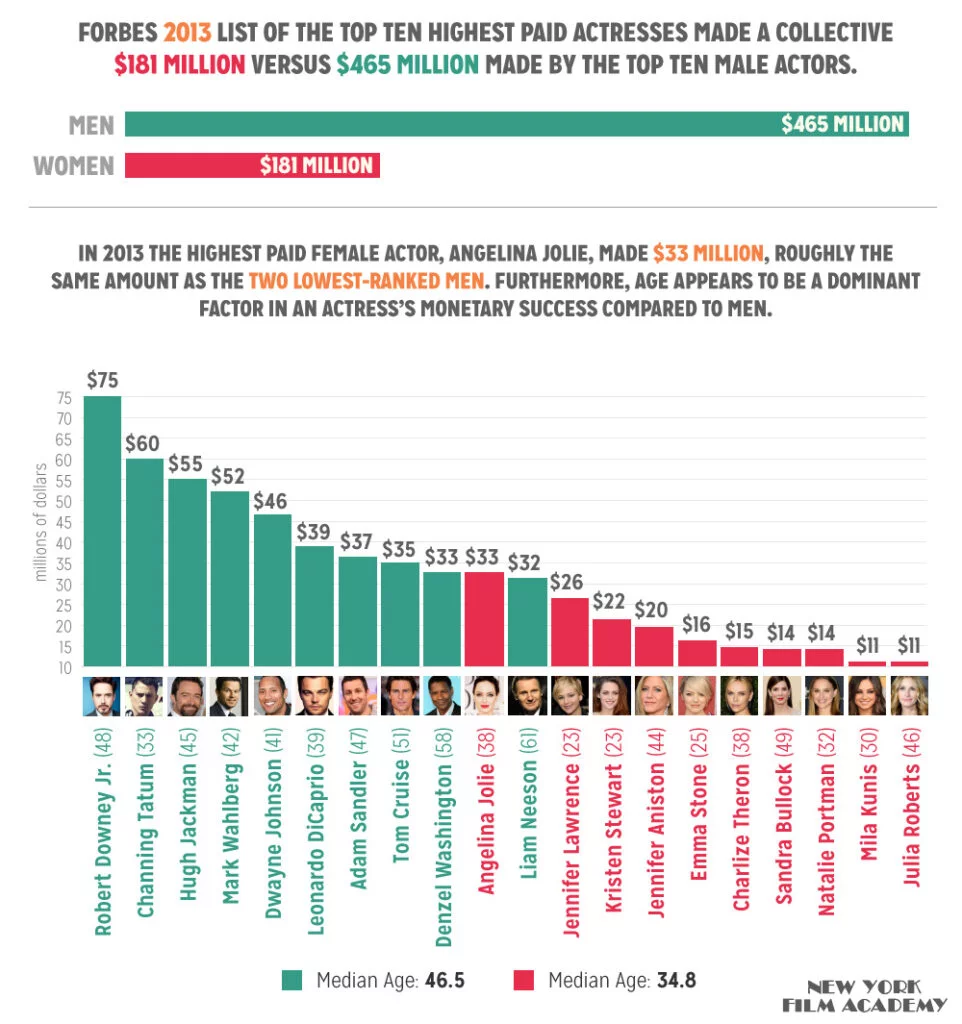
Hollywood’s Pay Gap: Actresses like Jennifer Lawrence and Michelle Williams have publicly highlighted pay disparities in the film industry. Williams was paid just $1,000 for reshooting scenes for “All the Money in the World,” while her male co-star, Mark Wahlberg, earned $1.5 million.
Silicon Valley Gender Pay Gaps: Despite tech companies’ claims of diversity and inclusion efforts, reports show that women, particularly women of color, continue to earn significantly less than their male counterparts in the industry. Lawsuits against companies like Google and Oracle have brought these disparities to light.
Progress and the Path Forward
While wage gaps persist, policy reforms and advocacy continue to drive change. Key steps include:
- Stronger Pay Transparency Laws: Encouraging companies to disclose salary ranges to promote fair pay practices.
- Corporate Accountability: Pressuring businesses to conduct pay audits and address disparities.
- Advocacy and Legislative Change: Supporting measures such as the Paycheck Fairness Act, which aims to close loopholes in existing equal pay legislation.
- Workplace Negotiation Training: Empowering women and marginalized groups with negotiation skills to advocate for fair compensation.
- Flexible Work Policies: Addressing the “motherhood penalty” by advocating for better parental leave policies and workplace flexibility to ensure career growth is not hindered by caregiving responsibilities.
Conclusion: The Ongoing Fight for Wage Equity
Equal Pay Day serves as an annual call to action, urging individuals, businesses, and policymakers to continue working toward wage equity. The gender pay gap is not just a women’s issue—it is a societal issue that affects economic growth and workplace diversity. By acknowledging intersectional wage disparities and implementing meaningful reforms, we can move closer to a future where all workers are compensated fairly for their contributions.