
 schedule a brainstorm session
Honoring Disability Pride Month by Reimagining What Inclusion Really Looks Like
July is Disability Pride Month, and it’s more than a date on the calendar. It’s a reminder to slow down, take stock, and ask the honest question: Are we truly creating spaces where everyone belongs, or just checking boxes?
For decades, the Americans with Disabilities Act (ADA) has been a backbone of civil rights legislation. But laws aren’t the end goal, they’re the bare minimum. Real inclusion asks us to shift our mindset from seeing accessibility as a chore to viewing it as a powerful design opportunity.
The Baseline Isn’t the Finish Line
Let’s be real. Compliance might help you stay out of legal trouble, but it won’t build trust, connection, or a thriving workplace. When inclusion is driven by thoughtful, human-centered design, not quick fixes, it creates spaces that work better for everyone.
Take a moment to let this sink in: WebAIM’s 2024 analysis showed that 95.9% of homepages still fail basic accessibility standards. That’s not just a technical glitch, it’s a signal that millions of people were never considered in the design process.
Nearly 1 in 4 U.S. adults lives with a disability. That’s 61 million people, your coworkers, customers, friends, and neighbors. Leaving them out is unjust and a missed opportunity.
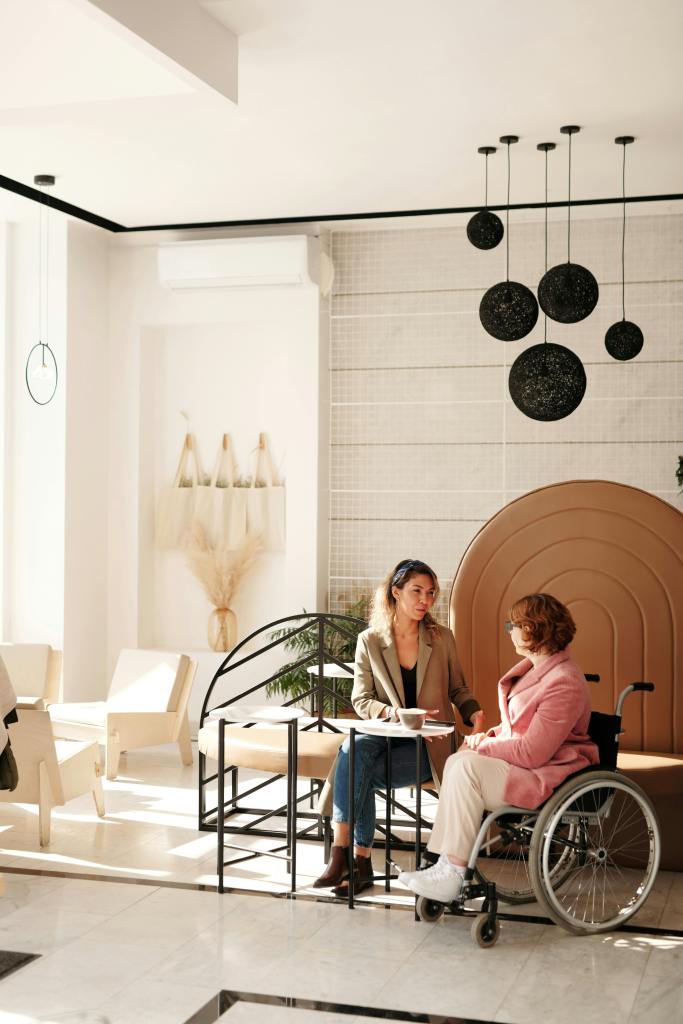
Why Inclusive Design Is a Game Changer
Inclusive design means baking accessibility into everything from day one. It’s not just “being nice.” It’s strategic. When we build for the full range of human experience, we get solutions that are smarter, more elegant, and more durable.
Think about how many features we now take for granted started as accessibility solutions:
- Curb cuts that help wheelchair users also help parents with strollers and travelers with suitcases.
- Closed captions benefit deaf users but also late-night streamers and language learners.
Remote work empowers people with chronic conditions and parents alike.
Who’s Getting It Right?
Microsoft: Designing with, not just for
Microsoft’s approach to inclusion goes far beyond legal requirements. Their Inclusive Tech Lab brings people with disabilities into the design process directly, co-creating tools like the Xbox Adaptive Controller. They’ve also developed specialized hiring programs to support neurodivergent talent.
And guess what? This focus isn’t just good PR, it’s good business. Accessibility has become a feature customers ask for, not just appreciate. Schools, governments, and enterprise buyers all take note.
EY: Unlocking Hidden Talent
EY’s Neurodiversity Centers of Excellence are a masterclass in rethinking what talent looks like. Instead of trying to force neurodivergent candidates into outdated hiring molds, they redesigned the process entirely, everything from interviews to onboarding to workspace setup.
The payoff? Teams with 90% retention and measurable productivity gains. More importantly, they’re tapping into a deep well of talent that most companies overlook.
The Digital Front Door Is Still Locked
Even with progress, the digital world remains inaccessible for many. A 2023 Deque Systems survey found that while 70% of companies agree digital accessibility matters, only 40% prioritize it in practice. That’s a huge gap, and a costly one.
Whether you’re hiring, selling, or supporting your team, inaccessible tech means missed connections. And let’s be honest: leaving people out of your digital spaces sends a message, whether you meant to or not.
Companies like Microsoft and EY are showing us the way forward, embedding accessibility into design and development cycles, not bolting it on at the end.

From Accommodation to Innovation
This isn’t about lowering the bar. It’s about widening the path.
Inclusion helps everyone show up more fully. It invites innovation from voices that too often go unheard. And when we co-create with people with disabilities, not just for them, we get stronger, smarter, and more human-centered systems.
Leaders who are serious about this don’t just host a panel once a year. They:
- Involve the voices of those who have a disability in product and policy design
- Appoint executive-level champions
- Set public goals for accessibility and inclusion
- Put equity at the heart of leadership development
Don’t Let July Be the Only Time You Talk About This
Use Disability Pride Month to spark real momentum. Host honest conversations. Invest in accessibility audits. Listen, really listen, to your employees. And don’t wait for a request to make your workplace welcoming.
As designer and advocate Kat Holmes puts it, “When we design for disability first, we often stumble upon solutions that are better for everyone.”
That’s the future of work: kind, smart, flexible, and inclusive by design. Let’s build it together.