Pride, Progress & Pushback: What Inclusive Leadership Looks Like in 2025
As Pride Month 2025 unfolds, it arrives at a fraught crossroads: a time of visible progress and painful regression. While some companies splash rainbows across social media, the Human Rights Campaign has declared a state of emergency for LGBTQ+ Americans for the second year in a row, with over 500 anti-LGBTQ+ bills introduced across U.S. state legislatures.
This isn’t just a cultural flashpoint. It’s a leadership moment. And how executives respond now- inside their organizations and out in the world- will define their legacy.
The Business Imperative of Inclusion
Inclusion isn’t seasonal. It’s strategic. According to HRC, nearly half of LGBTQ+ workers remain closeted at work. That invisibility carries a cost: disengagement, turnover, and missed innovation. Studies consistently show that inclusive environments are more productive, creative, and resilient. It’s not just the right thing to do, it’s good business.
As a leader, ask yourself:
- Do our stated values match what our people experience?
- Have we reviewed our policies and benefits for LGBTQ+ equity?
- Are we signaling support only during June, or every month of the year?
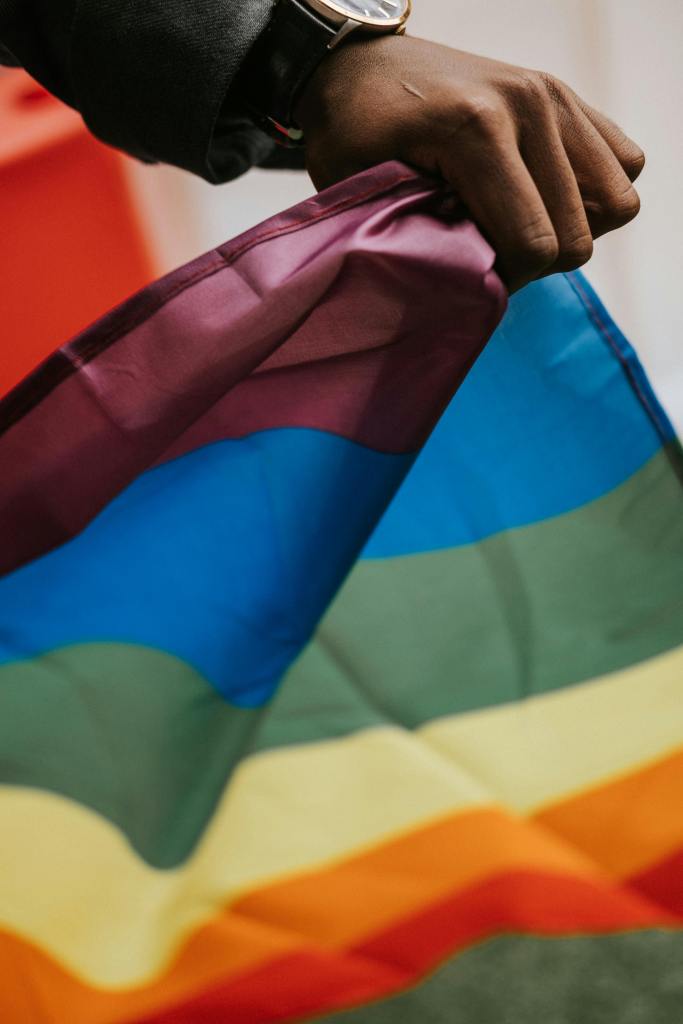
Internal Inclusion vs. External Allyship
Inclusive leadership in 2025 means doing both:
- Internal Inclusion: Creating psychologically safe environments where LGBTQ+ team members feel seen, heard, and protected. That means offering inclusive healthcare benefits, normalizing pronoun usage, supporting ERGs, and swiftly addressing any incidents of bias or discrimination.
- External Allyship: Standing up when it counts. That includes speaking out against harmful legislation, supporting nonprofits doing frontline work, and not backing down from DEI commitments when the political winds shift.
Allyship isn’t about being perfect. It’s about being present and consistent.
Mini Spotlights: Who’s Leading with Courage
- Salesforce continues to set the bar, offering comprehensive transition-related care, openly opposing anti-LGBTQ+ bills, and using its platform to elevate inclusion.
- Nike has doubled down on LGBTQ+ representation in its campaigns while offering inclusive benefits and internal education programs that reinforce belonging.
- Ben & Jerry’s, despite political backlash, refuses to shrink their advocacy, using bold storytelling to support LGBTQ+, racial, and economic justice causes globally.
These brands aren’t playing it safe. They’re using their influence and dollars to drive change. And they’re proving that values-aligned leadership has staying power.
What Leadership Looks Like Now
In 2025, inclusive leadership isn’t performative. It’s principled and pragmatic. It includes:
- Auditing silence. Are you passive in the face of injustice?
- Funding impact. Are ERGs and DEI initiatives resourced or symbolic?
- Training middle managers. Are they equipped to build belonging daily?
- Advocating externally. Are you taking a stand when it counts?
Because here’s the truth: neutrality benefits the status quo. If your leadership doesn’t cost you something, it may not be courageous.
Pride in Action So what does it look like to lead with pride, not just celebrate it? It looks like:
- Putting real budget behind inclusion.
- Making public statements that match internal policies.
- Rewarding leaders who model allyship and hold space for difference.
It’s not about having it all figured out. It’s about choosing integrity when it matters most. Your LGBTQ+ employees, customers, and partners are watching, not for perfection, but for presence.
At Kindall Evolve, we help executive teams bridge the gap between DEI talk and DEI action. If you’re ready to lead inclusively 365 days a year, let’s connect.